
duties of church usher pdf
Ushering is a biblical hospitality call, guiding worshippers, greeting guests, and creating a welcoming gateway․The ministry blends service,security and spiritual care, setting the tone for worship․
Purpose and Biblical Basis
The usher ministry is rooted in Scripture and the church’s mission to welcome all․ In Hebrews 13:2 we read, “Do not neglect hospitality․” This verse underscores the believer’s duty to open hearts and doors, creating an environment where worshippers feel valued and safe․ The role of an usher extends beyond mere seating; it is a tangible expression of Christ’s love (John 13:34‑35)․ By greeting, directing, and comforting attendees, ushers help the congregation focus on the worship experience, allowing the Holy Spirit to work more freely․ The apostle Paul reminds us in 1 Peter 2:9 that believers are “a chosen people, a royal priesthood․” Ushers, as part of this priesthood, serve as the first line of hospitality, reflecting the church’s identity as a community of grace․ Additionally, the New Testament encourages believers to “be kind to one another, tender‑hearted, forgiving each other” (Ephesians 4:32)․ Ushers embody this call by anticipating needs, offering assistance, and ensuring a welcoming atmosphere․ The ministry’s purpose is therefore twofold: to honor God by serving others and to facilitate worship by maintaining order, safety, and a sense of belonging․ By fulfilling these duties, ushers Amen․
Role within the Worship Service
Within the worship service, ushers perform a multifaceted role that blends hospitality, order, and spiritual stewardship․ Their first task is to greet each visitor with a warm smile and a brief introduction, setting a tone of welcome that reflects the church’s identity as a community of believers․ They also ensure that seating arrangements accommodate families, elders, and individuals with special needs, creating a safe and inclusive environment that encourages full participation in worship․ Beyond seating, ushers act as the church’s eyes and ears․ They monitor the sanctuary for hazards such as loose cords, unattended items, or sudden changes in temperature, and promptly alert the worship team or security personnel․ Their vigilance maintains a safe, reverent atmosphere․ Throughout the service, ushers remain attentive, answering questions about the order of service, offering assistance with hymnals or the sound system, and providing gentle reminders of upcoming prayers or announcements․ By doing so, they help keep the worship service on track, allowing the congregation to engage deeply with the message and the presence of God․ Their presence exemplifies the biblical call to hospitality․ They also coordinate with the worship team to ensure smooth transitions
Core Duties of an Usher
Ushers welcome attendees, seat families, hand out bulletins, collect offerings, and protect the sanctuary․ They curb distractions, guide traffic, and aid communion, ensuring worship proceeds orderly and safely․!!

Greeting and Seating Guests
When the doors open, ushers serve as the first touchpoint, embodying the church’s hospitality․ They greet each visitor with a warm smile, offer a welcome card, and direct them to appropriate seating․ By checking the seating chart, they ensure families and groups are placed together, respecting special needs and accessibility․ Ushers also provide bulletin sheets, hymn books, and any event materials, answering questions about the service flow․ Their presence reduces anxiety, especially for newcomers, and encourages a sense of belonging․ In addition, they monitor the entry area, ensuring that children are safely escorted and that any disruptive behavior is handled discreetly․ The greeting process sets the tone for worship, reflecting the biblical call to hospitality found in passages such as Romans 12:13 and Hebrews 13:2․ A well‑executed greeting fosters community and invites attendees to focus on the worship experience․

Ushers also coordinate with other ministries, ensuring smooth transitions between liturgical elements․ Their attentiveness creates a safe, welcoming environment encouraging worshippers to engage and experience church’s mission in community․ Their presence is a sign of grace now․
Collecting Offerings and Tithes
Ushers play a vital role in the financial stewardship of the congregation․ At the designated offering time they position secure collection baskets or digital stations, greet worshippers, and invite them to give with a brief, gracious reminder of 2 Corinthians 9:7․ They ensure each basket is placed where it is easily visible yet protected from accidental spills․ When a donor approaches, the usher acknowledges the contribution, offers a receipt if requested, and records any special notes for the finance team․ For electronic giving, they assist with QR‑code displays, verify that the connection is functional, and help first‑time users navigate the app․ After the service, ushers promptly transport the collected cash and checks to the treasurer’s safe, following a documented hand‑off checklist that includes double‑signatures and a log entry․ This process safeguards the offering, maintains transparency, and fulfills the biblical principle of honest handling of God’s resources (Proverbs 11:1)․ Regular training reinforces confidentiality, proper counting procedures, and the importance of a prayerful attitude while handling tithes, reinforcing the ministry’s reputation as trustworthy Christ‑centered․
Managing Distractions and Security
Ushers serve as the congregation’s first line of defense against disruptions․ They monitor entrances, exits, and the worship area, ensuring that no unattended bags, loud music, or inappropriate behavior distracts worshippers; By positioning themselves strategically, ushers can quickly redirect a phone call, a stray child, or a sudden noise, maintaining the sacred atmosphere․ They also enforce the church’s safety policy: checking for fire hazards, confirming that emergency exits remain clear, and reporting any suspicious activity to the security team․ During the service, ushers keep a calm presence, gently guiding people to appropriate seating and reminding them of the quiet time․ If a disturbance occurs, they calmly intervene, offering a solution or redirecting the individual to a staff member․ After the service, ushers conduct a brief sweep of the sanctuary, noting any broken equipment or unattended items, and they secure the doors․ Their vigilance ensures that worshippers can focus on the divine message, reflecting the biblical call to “keep the peace” (1 Corinthians 14:33)․ By blending hospitality with proactive security, ushers protect the spiritual integrity of the gathering and uphold the church’s mission of safe, welcoming w o

Special Service Responsibilities
Ushers aid altar calls, hand communion items, and guide participants․ They arrange seating for weddings, comfort mourners at funerals, and oversee flow at special events, ensuring reverent order and joy․
Altar Calls and Communion Assistance
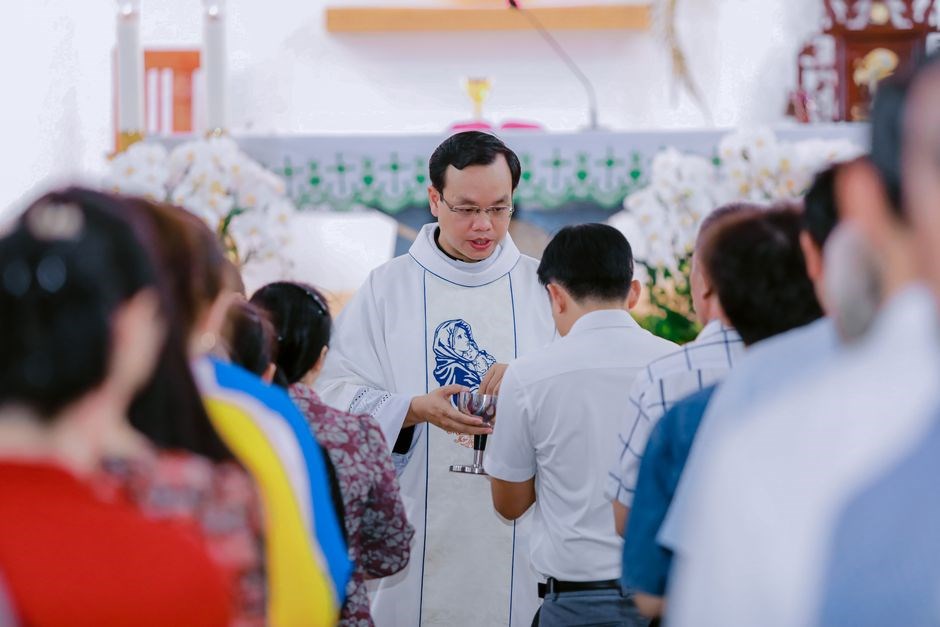
During altar calls, ushers greet seekers, provide water, and escort them to a quiet spot, ensuring a respectful atmosphere․ They maintain a calm presence, offering encouragement and reminding attendees of the biblical invitation to repentance and faith․ For communion, ushers distribute the elements—bread and wine—while explaining the symbolism and guiding participants to the altar․ They coordinate with the minister to ensure the proper timing, keep the table clean, and manage any special accommodations for the sick or disabled․ Ushers also handle the collection of communion baskets, ensuring they are returned promptly and stored safely․ Their role extends to maintaining the sanctity of the sacrament by keeping the area free from distractions, monitoring the flow of the service, and providing assistance to those who need help navigating the sanctuary․ By performing these tasks with humility and attentiveness, ushers help create a meaningful, orderly, and spiritually nourishing experience for all worshippers․

Ushers coordinate with the worshipleader to ensure seamless transitions, manage music flow, and maintain a calm environment that supports worshipers in focusing on the message․ Their presence reinforces thechurch’shospitality spiritual
Weddings, Funerals, and Events
In wedding services, ushers coordinate seating charts, escort the bride and groom to the altar, and manage the flow of guests during processional and recessional moments․ They ensure that each family member receives a seat in a timely manner, provide assistance to those with mobility challenges, and maintain a respectful atmosphere throughout the ceremony․ Ushers also handle the distribution of wedding programs, coordinate with the officiant on timing, and assist with the placement of flowers or other decor items at the altar or seating area․ During funerals, ushers greet mourners with empathy, offer condolences, and direct them to appropriate seating․ They manage the orderly procession of the casket, ensuring that the service proceeds smoothly and respectfully․ Ushers also assist with the handling of memorial cards, provide water or refreshments, and help maintain a quiet environment conducive to reflection․ Ushers also collaborate with the worship team to ensure that lighting, sound, and other technical aspects are aligned with the event’s needs․ Their role is pivotal in creating a welcoming, organized, and spiritually supportive setting for all participants, regardless of the event type․ Thank you

Preparation, Training, and Team Leadership
Ushers meet for briefings, review checklists, rehearse seating plans․ Leaders hand the printable PDF guide, model hospitality, mentor volunteers, ensuring confidence and seamless service flow․
Pre‑Service Briefings and Checklists
Before each service, ushers gather for a concise briefing that outlines the day’s agenda, seating arrangements, and any special needs․ The leader reviews the printable PDF checklist, ensuring all tasks—greeting, seating, offering collection, and safety protocols—are understood․ Ushers practice quick role‑plays, rehearse handling distractions, and discuss communication cues․ The briefing also covers emergency procedures, volunteer assignments, and any updates from the worship team․ By aligning expectations and confirming readiness, the team enters the sanctuary confident, organized, and prepared to welcome every guest with warmth and professionalism․ During the briefing, the leader also reviews any changes in seating charts, updates on new volunteers, and reminders about the church’s mission statement․ Ushers are encouraged to ask questions, share observations from previous services, and suggest improvements․ The printable PDF checklist is distributed, and each usher signs off, confirming they have read and understood each item․ The team then rehearses the flow of the service, from the entrance to the altar, ensuring smooth transitions․ Finally, the leader reminds everyone of the importance of humility, patience, and a welcoming smile, reinforcing the church’s identity as a home for all․ After the briefing, ushers receive a final checklist reminder, and the team departs with clear roles, ready to serve with grace and efficiency․ All set․ Go now!
Usher/Greeter Team Leader Role
The usher/greeter team leader serves as the primary bridge between worship staff and hospitality volunteers, turning the church’s “positive gateway” vision into daily practice․ Key duties include recruiting warm‑hearted members, guiding them through the printable PDF training manual and the standard duties checklist, and scheduling weekly rehearsals․ The leader reviews the service order, assigns stations such as welcome desk, aisle monitors, offering collectors, and security points, and ensures each volunteer understands the flow․ Communication is kept via a shared roster and instant‑messaging alerts for last‑minute changes like accessibility needs or guest speakers․ After each service the leader records performance notes, offers brief feedback, and logs any incidents confidentially․ When conflicts arise, the leader mediates with grace, echoing the biblical call to hospitality in I Peter 2:9․ Ongoing growth involves quarterly workshops, updating the PDF checklist, and coordinating with pastor to align ushering with liturgical themes․ By fostering accountability, prayerful service, and a genuine welcome, the leader helps keep the sanctuary safe, orderly, and inviting for every attendee․

Resources: Printable PDFs and Checklists
Download the Standard Usher Duties Checklist PDF and the training manual․ Both are free, printable, and aligned with Brighten Idea Group guidelines for hospitality, security, and worship flow!!!!


Standard Usher Duties Checklist PDF
The Standard Usher Duties Checklist PDF, produced by Brighten Idea Group for Churches, provides a clear, printable worksheet that outlines every essential task an usher should perform during a worship service․ It is organized into sections such as Greeting and Seating Guests, Collecting Offerings and Tithes, Managing Distractions and Security, Assisting with Altar Calls, and Supporting Communion․ Each item includes a brief description, a checkbox for completion, and suggested timing to help teams stay coordinated․ The checklist is formatted for easy printing on standard letter‑size paper, and a digital copy can be downloaded at no cost from the ministry resources page․ Church leaders are encouraged to distribute the PDF during pre‑service briefings, incorporate it into training manuals, and review completed checklists after each service to identify strengths, areas for improvement․ By using this tool, usher teams can demonstrate consistent hospitality, maintain order, and reflect biblical call to serve others with love and diligence․ The PDF also contains a quick‑reference guide for emergencies and a contact list, helping ushers respond promptly to situations that arise during worship!!․
Training Manual and Best‑Practice Guides
The Training Manual and Best‑Practice Guides, available from Brighten Idea Group for Churches, compile essential protocols, role‑specific scripts, and scenario drills for ushers․ The handbook begins with an overview of the usher’s biblical mandate, stressing hospitality, safety, and spiritual readiness․ It offers step‑by‑step instructions for greeting, seating, offering collection, and handling disruptions․ Each chapter includes checklists, sample dialogues, and reflective questions to reinforce learning․ The guide also covers advanced topics such as leading altar calls, coordinating with worship leaders, and managing emergency evacuations; A dedicated section provides team‑leader responsibilities, outlining how to conduct pre‑service briefings, assign duties, and evaluate performance․ The manual is formatted for both print and digital use, with downloadable PDFs and printable worksheets․ Churches can integrate the material into volunteer orientation, ongoing training, and performance reviews, ensuring consistent, compassionate service that reflects Christ’s love․ This resource is downloadable from Groups website andcan be shared with volunteers Following the checklist ensures every usher feels equipped and ready to serve now!


Leave a Reply
You must be logged in to post a comment.