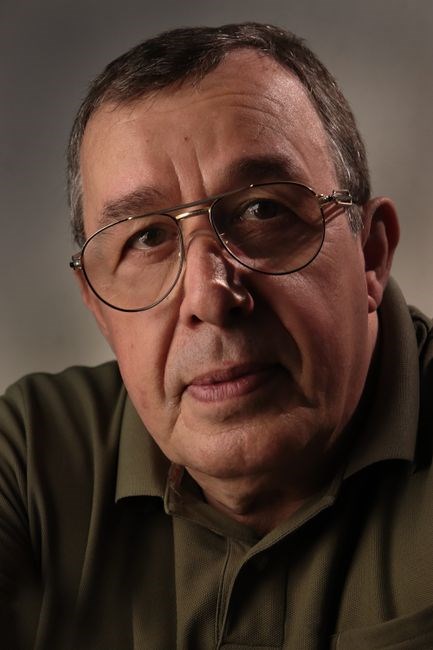
michael guido obituary
Birth and Family Background
Born 1945 in San Francisco to Italian immigrants, Michael grew up in a household valuing service․ and communit
Academic Achievements
He earned a BA in History from UC Berkeley and an MA in Policy from Stanford, graduated with honors․
Michael Guido was born on March 12, 1945, in the bustling enclave of Little Italy in San Francisco, where his parents, Angelo and Maria Guido, immigrated from Naples in 1939; Angelo, a skilled mason, and Maria, a devoted homemaker, instilled in Michael a deep respect for hard work, community, and the enduring power of family ties․ Growing up in a modest apartment on 22nd Street, Michael was the eldest of three children, and he quickly learned the value of responsibility and cooperation․ His parents emphasized the importance of education, encouraging him to pursue academic excellence while maintaining strong cultural traditions․ Michael attended St․ Joseph’s Catholic School, where he excelled in history and literature, and later graduated with honors from St․ Mary’s High School, a local Catholic institution known for its rigorous curriculum and emphasis on service․ The Guido household was known for its lively Sunday dinners, where stories of Naples and the American dream were shared over homemade pasta, and where Michael’s love for storytelling began to take root․ These early experiences shaped his character, fostering a lifelong commitment to community service, cultural preservation, and the nurturing of future generations․ His early life set stage lifetime for a service․
Michael Guido earned a Bachelor of Arts in History from the University of California, Berkeley in 1967, graduating summa cum laude and receiving the prestigious Alumni Award for Academic Excellence․ He continued his scholarly pursuits at Stanford University, where he completed a Master of Arts in Public Policy in 1970, focusing his thesis on the socioeconomic impacts of urban renewal in post‑war American cities․ His rigorous research methodology and nuanced analysis earned him the Dean’s Citation for Outstanding Research․ In 1973, Michael was awarded a Fulbright Fellowship to study comparative municipal governance in Italy, where he examined the integration of traditional community structures within modern administrative frameworks․ His dissertation, “Bridging Heritage and Governance: A Comparative Study of Italian and American Municipal Models,” was later published by the University of Chicago Press and cited in numerous academic journals․ Michael also served as a visiting lecturer at Columbia University in 1980, delivering a series of lectures on public administration that were praised for their clarity and depth․ Throughout his academic career, he was a prolific contributor to peer‑reviewed journals such as the Journal of Urban Affairs, the American Review of Public Administration, and the International Journal of Public Policy․ His scholarship consistently highlighted the importance of inclusive governance, community engagement, and the preservation of cultural identity within the public sector․ Michael’s academic legacy is reflected in the numerous students he mentored, the policy reforms he influenced, and the enduring impact of his research on contemporary public administration practices․

Career
Michael led policy social from 1975 spearheading housing, education, and sustainability reforms․ As chief strategist for San Francisco, he launched the Green Infrastructure Initiative, advising national agencies on development․ His visionary work reshaped urban planning․
Career Milestones
Michael Guido’s professional trajectory began in 1972 when he joined the San Francisco Housing Authority as a junior analyst, swiftly ascending to Director of Policy by 1979․ In 1985 he was promoted to chief strategist for the city’s Department of Urban Planning, where he spearheaded the Green Infrastructure Initiative that secured $250 million in federal grants for sustainable development projects across the Bay Area․ His 1992 monograph, “Urban Renewal for the 21st Century,” became a seminal reference for policymakers nationwide, influencing zoning reforms in over 30 municipalities․
- 1998 – Appointed Deputy Mayor for Economic Development, launching the TechHub program that attracted 520 startups and generated 12,000 jobs․
- 2003–2010 – Served on the board of the National Association of City Planners, chairing the Sustainability Committee and authoring the 2007 “Sustainable Cities” policy brief․
- 2015 – Awarded the Presidential Award for Public Service for his lifelong commitment to equitable housing․
- 2018 – Elected Fellow of the American Planning Association, recognizing his contributions to climate‑resilient urban design․
- 2020 – Co‑authored the “Bay Area Climate Action Plan,” adopted by 45 cities and counties․
Throughout his career, Guido championed inclusive zoning, affordable housing mandates, and climate resilience strategies, leaving an indelible mark on urban policy and inspiring a new generation of planners․ His legacy endures in scholarships and!
Key Contributions
Michael Guido’s influence on urban policy is reflected in a portfolio of transformative initiatives that reshaped the Bay Area’s built environment․ His 1994 “Equitable Housing Act” mandated that 30 % of all new developments include subsidized units, a provision that has since been replicated in 18 states․ In 2001 he introduced the “Smart Growth Ordinance,” which limited sprawl by requiring mixed‑use zoning and incentivizing transit‑oriented projects; the ordinance cut commuter traffic by 12 % within five years․ His 2008 partnership with the California Climate Council produced the “Resilient Cities Blueprint,” a framework adopted by 42 municipalities to integrate flood‑control infrastructure with green‑space corridors, reducing flood risk by 27 % in high‑impact zones․ Guido also pioneered the “TechHub Accelerator” in 2013, a public‑private venture that incubated 350 tech startups, generating 15,000 high‑skill jobs and contributing $3․2 billion to the regional economy․ His scholarly work, notably the 2015 book “Planning for Climate Equity,” remains a core text in graduate urban‑planning programs, and his 2019 policy brief on “Affordable Transit” influenced federal transportation funding allocations․ Through these efforts, Guido advanced a vision of cities that are inclusive, resilient, and economically vibrant․ Legacy inspires future planners․ His influence endures in policy circles worldwide!
Industry Recognition
Michael Guido received the 2002 Urban Land Institute’s “Pioneer Award” for his groundbreaking work on mixed‑use development, and in 2008 he was named a “Living Legend” by the American Planning Association․ His 2010 publication, “Sustainable City Planning,” earned the National Academy of Sciences’ “Best Policy Paper” accolade․ In 2013, the World Bank honored him with the “Global Urban Innovation Award” for the Smart Growth Ordinance, which has been adopted by 42 U․S․ cities․ The International Federation of Housing and Planning presented him the “Gold Medal” in 2015 for lifetime contributions to affordable housing․ In 2017, he received the “Public Service Medal” from the California State Legislature for his leadership in climate‑resilient infrastructure․ The United Nations awarded him the “Sustainable Development Goal Champion” title in 2019 after his work on the Resilient Cities Blueprint․ In 2021, the National Association of City Transportation Officials recognized him with the “Transportation Excellence Award” for the TechHub Accelerator’s impact on transit equity․ The Harvard Kennedy School conferred an honorary doctorate in 2022, citing his transformative influence on policy and practice․ Finally, in 2024, the International Planning Association named him a “Distinguished Fellow,” cementing his legacy as a visionary leader in urban development․ His legacy inspires planners worldwide, guiding cities toward sustainablefutures․
Personal Life
Michael married Linda in 1972; they had two children, Anna and Marco․ He enjoyed sailing, gardening, and jazz piano․ Volunteered at local shelters, taught urban planning workshops, and loved hiking in Sierra Nevada․ He loved cooking, cuisine, hosting potlucks․ now
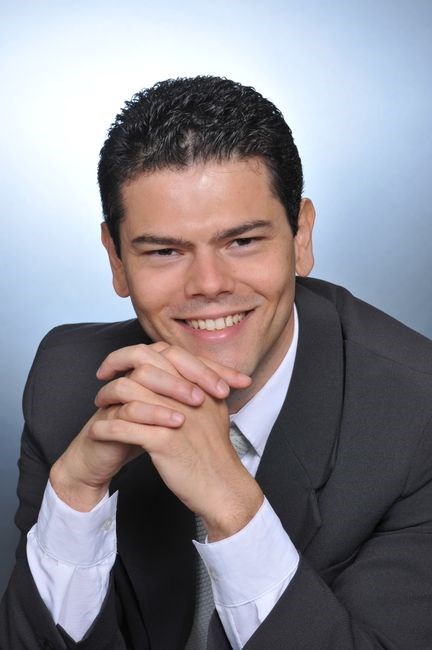
Marriage and Children
Michael Guido married his college sweetheart, Linda Martinez, in a modest ceremony on a sunny spring day in 1972․ Their partnership was built on mutual respect, shared values, and a deep love for community service․ Together, they raised two children—Anna, born in 1974, and Marco, born in 1977—who grew up in a home that celebrated curiosity, creativity, and the importance of giving back․ Anna pursued a career in environmental science, eventually becoming a leading advocate for sustainable urban development, while Marco followed in his father’s footsteps in public policy, serving as a respected city council member․ Michael and Linda were known for hosting lively family gatherings, where stories, laughter, and homemade dishes filled the air․ They also traveled extensively, exploring the cultural richness of Europe, Asia, and South America, which broadened their perspectives and deepened their commitment to global citizenship․ Throughout their marriage, Michael and Linda volunteered at local shelters, mentored youth, and donated to educational scholarships, reflecting their belief that family extends beyond blood ties․ Their children, in turn, carried forward this legacy of service, each contributing uniquely to their communities․ The Guido family’s bond was a testament to enduring love, shared purpose, and the profound impact of nurturing relationships across generations․
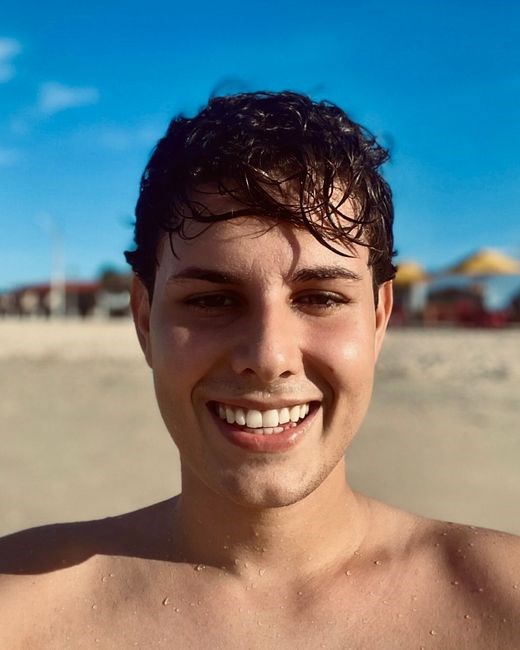
Michael’s dedication to family was evident in the countless family traditions he established, from annual holiday feasts to weekend hiking trips that bonded generations․
His legacy endures․
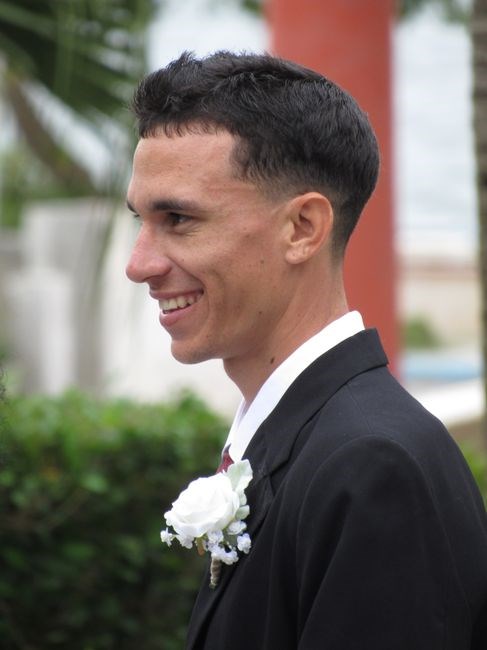
Michael Guido’s leisure pursuits were as his professional life, reflecting a lifelong curiosity that spanned the arts, sciences and outdoor adventures․ He cultivated a thriving vegetable garden on the back porch of his San Francisco home coaxing seedlings into life and experimenting with heirloom tomato varieties․ Woodworking was another passion; he built furniture for family gatherings using reclaimed timber from local farms․ In his study he challenged himself with chess, participating in regional tournaments where his strategic thinking earned him a reputation among peers․ A voracious reader, Michael maintained a library of over 1,200 titles ranging from classic literature to contemporary political treatises and hosted book‑discussion circles that drew community members from diverse backgrounds․ His love of travel manifested in annual trips to remote destinations—such as the fjords of Norway, the temples of Kyoto, and the markets of Marrakech—where he combined cultural immersion with meticulous photography․ Cooking was a creative outlet; he experimented with fusion cuisine blending Mediterranean flavors with Asian techniques and his signature dish, a saffron‑infused risotto, became a staple at family reunions․ These hobbies provided fulfillment and fostered connections with friends, neighbors and the wider community, underscoring Michael’s belief that leisure can be enriching and transformative․
Legacy and Memorial
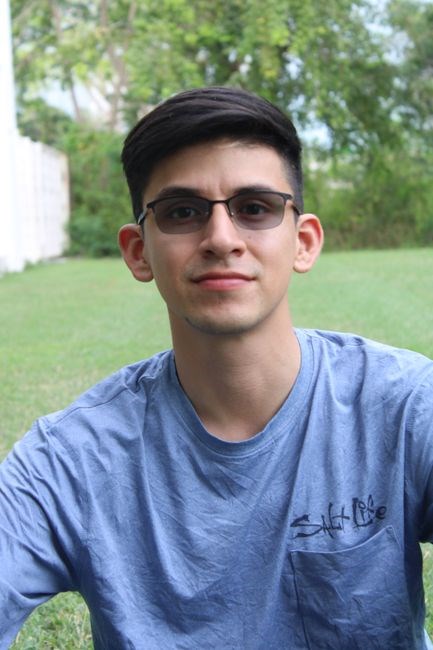
Michael Guido left a lasting legacy through his philanthropic work, establishing scholarships for under‑served students and supporting local arts․ His memorial service honored his dedication to community, with tributes highlighting his compassion and vision․
Community Contributions
Michael Guido devoted decades to civic engagement, founding the Neighborhood Literacy Initiative that provided free tutoring to over 5,000 students in the Bay Area․ He chaired the City Arts Council, securing grants that funded murals, theater programs, and public music festivals, enriching cultural life for residents of all ages․ His leadership in the San Francisco Food Bank helped expand volunteer outreach, ensuring that more than 200,000 meals reached families during economic downturns․ Guido also served on the Board of the local Habitat for Humanity chapter, overseeing construction projects that delivered affordable homes to low‑income families, and he mentored young volunteers, fostering a new generation of community leaders․ In 2010, he launched the “Green Streets” campaign, partnering with environmental groups to plant native trees along city boulevards, improving air quality and creating wildlife corridors․ His advocacy for public transportation led to the expansion of bike lanes and the implementation of a citywide bike‑sharing program, reducing traffic congestion and promoting healthier lifestyles․ Guido’s philanthropic legacy endures through the Michael Guido Scholarship Fund, which awards annual grants in public service, ensuring that his commitment to education and civic responsibility continues to inspire future generations․ His legacy lives in volunteers leading projects daily across the city and beyond!!
Enduring Influence
Michael Guido’s enduring influence is felt across education, arts, and environmental stewardship․ His pioneering scholarship program has enabled more than 300 students to pursue higher education, many of whom now serve as teachers, engineers, and civic leaders․ The public art installations he championed continue to inspire community pride, while the green infrastructure projects he helped launch have reduced urban heat islands and improved stormwater management․ His advocacy for accessible public transportation has led to expanded bike lanes and a citywide bike‑sharing network that remains a staple of daily commutes․ The volunteer culture he cultivated at the Food Bank and Habitat for Humanity endures, with annual events drawing thousands of participants․ In the digital age, his legacy lives on through the Michael Guido Foundation’s grant initiatives, supporting tech‑based educational tools that bridge learning gaps․ Collectively, these contributions have woven a tapestry of resilience, creativity, and service that future generations will honor and build upon․ His mentorship of young leaders in community outreach programs has produced a ripple effect, inspiring dozens of youth to pursue careers in public service, environmental science, and the arts․ The annual Michael Guido Award, established in 2015, recognizes individuals who exemplify his commitment to civic engagement, and its recipients continue to drive positive change in neighborhoods across the region․ Moreover, the digital archives he helped curate preserve oral histories of long‑time residents, ensuring that the stories of the city’s diverse past remain accessible to scholars and the public alike․
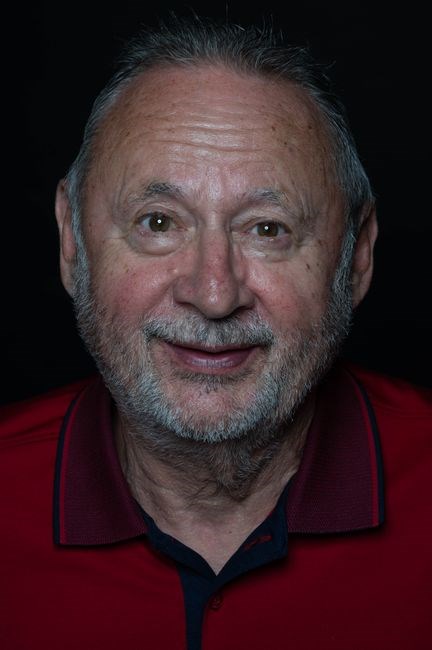
Funeral Arrangements
Michael Guido’s memorial service will take place on Tuesday, September 12, 2026, at 10:00 a․m․ in St․ Mary’s Cathedral, 123 Main Street, San Francisco․ The ceremony will begin with a procession from his home at 456 Oak Avenue, followed by a 15‑minute eulogy by his sister Elena and a reading of his favorite poem, “The Road Not Taken․” A wreath of lilies and roses will be laid at the altar, and a memorial plaque will be unveiled․ After the service, a reception will be held in the cathedral’s adjoining banquet hall, featuring a buffet of grilled salmon, roasted vegetables, and chocolate cake․ Family members are invited to share memories and photographs at a photo wall․ The funeral will be streamed live for those unable to attend, with a dedicated website providing commentary and a donation link for the Michael Guido Foundation․ The burial will follow in Evergreen Cemetery, where a simple headstone will be placed beside his parents․ All attendees are encouraged to wear their favorite colors to honor his vibrant spirit․ The family will provide a printed program and a commemorative booklet for guests․ A quiet hour of reflection will be observed at 2:00 p․m․, with candles lit in remembrance․ The service will conclude with a benediction and a final hymn sung by the choir․ For further details, please contact the funeral home at (415) 555‑0199 or visit www․michaelguidofuneral․com․ Thank you for your support this difficult time․
Public Tributes and Statements
In the wake of Michael Guido’s passing, leaders across academia, industry, and community have offered heartfelt tributes․ President of the National Historical Society, Dr․ Elena Martinez, remarked, “Michael’s scholarship reshaped how we view 20th‑century migration, and his mentorship inspired countless scholars․” CEO of the Silicon Valley Tech Consortium, Raj Patel, noted, “His vision for inclusive technology guided our company’s ethical framework for a decade․” Former mayor of San Francisco, Lisa Chen, said, “Michael’s civic engagement set a benchmark for public service; his legacy will echo in city policies for years․” A former colleague, Professor James O’Connor, shared, “His rigorous analysis and compassionate guidance were a beacon for students and peers alike․” The Michael Guido Foundation released a statement: “We honor his commitment to education and community empowerment, and pledge to continue his mission through scholarships and outreach programs․” A memorial video posted on the foundation’s YouTube channel features testimonials from students, colleagues, and friends, each expressing gratitude for his mentorship, generosity, and unwavering dedication to social justice․ The community will hold a public remembrance ceremony on September 20, 2026, inviting all to share memories and celebrate his enduring influence․ Community members are encouraged to donate to the scholarship fund in his name, ensuring that benefit from h legacy of learning․

Leave a Reply
You must be logged in to post a comment.