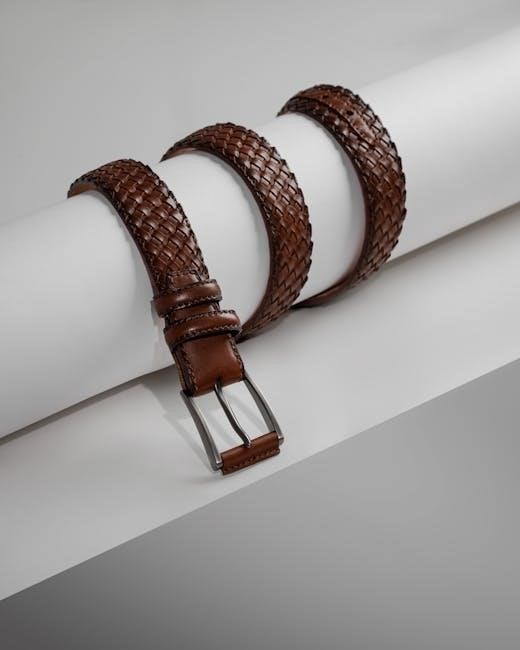
belt size guide men’s
Understanding Men’s Belt Sizes: A Comprehensive Guide
Navigating men’s belt sizing can be surprisingly complex, yet crucial for both style and comfort; This guide demystifies the process,
helping you confidently select belts that perfectly complement your physique and wardrobe. Discover accurate measurements and conversions!
Understanding belt sizing is fundamental for a polished appearance and comfortable fit. Many men find themselves questioning how belt sizes work, often leading to ill-fitting accessories. Belts aren’t universally sized; variations exist between manufacturers and even styles; Generally, belt sizes are determined by waist measurement, not pant size – a common misconception.
There are primarily four methods used to define belt size: numerical (inches/centimeters), letter sizing (XS, S, M, L, XL), waist circumference, and measuring an existing belt. Each approach has its nuances, and knowing them empowers you to make informed purchasing decisions. A properly sized belt should comfortably secure your trousers without being overly tight or loose, enhancing both functionality and style. This guide will provide a comprehensive overview, ensuring you always choose the right belt.
Why Accurate Belt Sizing Matters
Precise belt sizing extends beyond mere aesthetics; it significantly impacts comfort and the overall silhouette. A belt that’s too small can constrict movement and create an unflattering bulge, while an overly large belt appears sloppy and lacks support. Correct sizing ensures your trousers sit properly, maintaining a clean and refined look.
Furthermore, accurate sizing protects the longevity of your belt. Excessive strain on the buckle and holes from being stretched too tightly can lead to premature wear and tear. Conversely, a loose belt experiences unnecessary bending and flexing. Investing in the right size demonstrates attention to detail and elevates your personal style. Don’t underestimate the power of a well-fitted belt – it’s a subtle yet impactful element of a sophisticated ensemble.
Methods for Determining Your Belt Size
Several reliable techniques exist to pinpoint your ideal belt size, ensuring a perfect fit. These include measuring your waist, referencing pant size, and assessing an existing belt’s length.
Measuring Your Waist
Accurate waist measurement is fundamental to finding the right belt size. Begin by wearing your typical pants – not too tight, not too loose – to ensure a realistic measurement. Utilize a flexible measuring tape; avoid rigid metal rulers. Position the tape around your natural waistline, which is generally located approximately one inch above your belly button.
Ensure the tape is comfortably snug, but not constricting. It should lie flat against your skin, without digging in or being overly loose. Ask a friend or family member to assist for the most precise reading, as reaching around yourself can distort the measurement. Record the measurement in inches. If you measure an odd number, it’s generally best to round up to the nearest even number when selecting your belt size. This ensures a comfortable and secure fit. Double-check your measurement to confirm accuracy before proceeding!
Using Your Pant Waist Size
Determining your belt size from your pant waist size is a common, yet potentially inaccurate, method. Pant sizes often differ from actual waist measurements, varying between brands and styles. However, it can serve as a starting point. Generally, add 2 to 4 inches to your pant waist size to estimate your belt size.
For example, if you wear pants labeled as size 34, your estimated belt size would be 36 or 38 inches. It’s crucial to remember this is an approximation. For a more precise fit, always prioritize directly measuring your waist as described previously. If you frequently wear pants with varying waist sizes, consider measuring your waist each time you purchase a new belt. This ensures optimal comfort and prevents the belt from being too tight or too loose. Don’t solely rely on pant size for accurate belt sizing!
Measuring an Existing Belt
If you have a belt that fits you well, measuring it provides a reliable way to determine your ideal belt size. Lay the belt flat on a surface and measure from the point where the belt buckle attaches to the leather (or material) to the hole you most frequently use. Do not include the buckle in your measurement. This measurement represents your waist size in inches.
Ensure the measuring tape is taut but not stretched. If your frequently used hole is between two sizes, it’s generally recommended to round down to the nearest even number. For instance, if the measurement falls at 37.5 inches, a size 36 or 38 belt might be suitable, depending on your preference for a snugger or looser fit. This method is particularly useful when ordering belts online, as it eliminates guesswork and increases the likelihood of a perfect fit.
Decoding Belt Size Charts
Belt sizes are presented in various formats: numerical inches, letter sizing (XS, S, M, L, XL), and waist circumference; Understanding these charts ensures a precise and comfortable fit.
Numerical Belt Sizes (Inches)
The most common method for denoting belt size is using inches. This measurement refers to the total length of the belt, not your waist size. Typically, you’ll add 2-4 inches to your waist measurement to determine the appropriate belt size. For example, a 32-inch waist generally requires a 34 or 36-inch belt.
It’s vital to remember this difference; buying a belt based solely on your pant size can lead to an incorrect fit. Belt sizes typically range from 28 inches to 44 inches or even larger, accommodating a wide variety of waistlines. When in doubt, it’s often better to err on the side of a slightly larger belt, as you can always add additional holes. Always consult a size chart, as variations can occur between brands.
Letter Sizing (XS, S, M, L, XL)
While less precise than numerical sizing, some brands utilize letter sizing – XS, S, M, L, XL – for belts. This system offers a quick, albeit generalized, indication of fit. However, letter sizes can vary significantly between manufacturers, making it less reliable than inch measurements. A size Large in one brand might equate to a size XL in another.
Generally, these letter sizes correspond roughly to waist sizes: XS (28-30”), S (32-34”), M (36-38”), L (40-42”), and XL (44-46”). It’s crucial to always check the brand’s specific size chart when encountering letter sizing. Don’t assume consistency! Relying solely on letter sizing without referencing a detailed chart can easily result in a poorly fitting belt. Prioritize inch measurements for the most accurate selection.
Waist Circumference in Belt Sizing
Understanding waist circumference is fundamental to accurate belt sizing. It’s not simply your pant size! Your waist is typically measured around your natural waistline – the narrowest part of your torso, usually just above your belly button. Use a flexible measuring tape, ensuring it’s snug but not constricting. Stand naturally and exhale before taking the measurement.
Belt sizes are often directly linked to waist circumference. For example, a 34-inch belt generally fits a 32-inch waist, allowing for a comfortable two-inch overlap. This overlap is essential for proper buckle placement and belt functionality. Always prioritize your actual waist measurement over your pant waist size, as pant sizes can be inconsistent. Accurate waist circumference measurement is the cornerstone of finding your perfect belt fit.
Men’s Belt Size Chart – Inches & Centimeters
Below is a comprehensive chart correlating belt sizes in inches and centimeters to corresponding waist measurements, ensuring a precise and comfortable fit for every man.
Belt Size 30 (75cm) ⎼ Waist 28″
A belt size of 30 inches (75 centimeters) typically corresponds to a 28-inch waist; This means the belt is designed to fit comfortably around a waist measuring 28 inches in circumference. However, it’s important to remember that belt sizing isn’t always perfectly consistent between brands and styles. Some manufacturers may run slightly larger or smaller.
When selecting a size 30 belt, consider your body type and how you prefer your belt to fit. If you’re between sizes, it’s generally recommended to size up for a more comfortable fit. A belt that’s too tight can be restrictive and uncomfortable, while a belt that’s too loose may not provide adequate support. Always double-check the brand’s specific size chart before making a purchase. This ensures the best possible fit and avoids unnecessary returns.
Furthermore, the material of the belt can also influence the fit. Leather belts, for example, tend to stretch slightly over time, while synthetic materials may not. Keep this in mind when choosing a belt size, especially if you plan on wearing it frequently.
Belt Size 32 (80cm) ⎼ Waist 30″
Generally, a belt labeled as size 32 inches (80 centimeters) is intended for individuals with a 30-inch waist. This measurement refers to the circumference around your natural waistline. However, it’s crucial to acknowledge that sizing can vary slightly between different belt manufacturers and even between different styles within the same brand. Always consult the specific size guide provided by the retailer.
When choosing a size 32 belt, consider your personal preference for fit. Some men prefer a snugger fit, while others prefer a more relaxed feel. If you’re unsure, it’s often advisable to size up, especially if you anticipate wearing the belt with heavier clothing. A belt that’s too tight can be uncomfortable and restrict movement, while one that’s too loose may not provide adequate support.
Remember to account for the belt’s material. Leather belts will stretch with wear, while synthetic materials maintain their shape better. This impacts the initial fit you should aim for.
Belt Size 34 (85cm) ⸺ Waist 32″
A belt designated as size 34 inches (85 centimeters) typically corresponds to a 32-inch waist measurement. This is the standard guideline, but remember that variations exist across brands and belt constructions. It’s always best practice to double-check the specific size chart offered by the seller before making a purchase. This ensures a more accurate fit and reduces the likelihood of needing an exchange.
For those with a 32-inch waist, a size 34 belt often provides a comfortable and versatile fit. It allows for some adjustment, accommodating fluctuations in waist size due to meals or different clothing layers. However, if you prefer a very snug fit, or if the belt is intended for formal wear, you might consider a size 32.
Consider the belt’s intended use. A dress belt might require a more precise fit than a casual belt. Leather belts will stretch over time, so a slightly larger initial size can be beneficial.
Belt Size 36 (90cm) ⸺ Waist 34″
Generally, a belt labeled as size 36 inches (90 centimeters) is designed to fit a 34-inch waist. This sizing convention is widely adopted, but it’s crucial to acknowledge potential discrepancies between manufacturers. Always consult the brand’s specific size chart for the most reliable information, preventing potential fit issues and returns. A precise fit enhances both comfort and the overall aesthetic of your outfit.
Individuals with a 34-inch waist will likely find a size 36 belt to be a good starting point, offering a balance between a secure hold and comfortable adjustability. This allows for slight variations in waist size due to clothing or daily fluctuations. However, personal preference plays a role; some prefer a tighter or looser fit.
Remember to factor in the belt’s style and material. Leather belts tend to stretch with wear, while more rigid materials may maintain their size more consistently.
Belt Size 38 (95cm) ⎼ Waist 36″
A belt designated as size 38 inches (95 centimeters) typically corresponds to a 36-inch waist measurement. This is a standard guideline, but variations can occur between different brands and belt constructions. It’s always advisable to check the specific size chart provided by the manufacturer to ensure the most accurate fit, minimizing the risk of incorrect sizing and returns.
Men with a 36-inch waist should find a size 38 belt to be a comfortable and secure fit, allowing for some adjustability based on clothing layers or slight fluctuations in waist size. This provides a balance between a snug hold and freedom of movement. Consider your personal preference for tightness when selecting a belt.
The material of the belt also influences the fit. Leather belts will stretch over time, while synthetic materials may retain their shape more consistently.
Belt Size 40 (100cm) ⎼ Waist 38″
Generally, a belt labeled as size 40 inches (100 centimeters) is designed to fit a 38-inch waist. However, remember that belt sizing isn’t always perfectly consistent across all brands. Always consult the brand’s specific sizing guide for the most reliable information, as some may run slightly larger or smaller. This proactive step helps avoid the inconvenience of ordering the wrong size and needing to exchange it.
For men with a 38-inch waist, a size 40 belt offers a comfortable and secure fit, allowing for adjustments depending on how tightly you prefer to wear your belt and the thickness of your clothing. It provides enough length for a classic belt loop configuration without excessive overhang.
Consider the belt’s material; leather will stretch with wear, while other materials may not.
Belt Size 42 (105cm) ⎼ Waist 40″
A belt designated as size 42 inches (105 centimeters) typically corresponds to a 40-inch waist. As with all belt sizes, variations can occur between manufacturers, so checking the specific brand’s size chart is highly recommended. This ensures a more accurate fit and reduces the likelihood of returns or exchanges. Don’t assume all size 42 belts are created equal!
Men with a 40-inch waist should find a size 42 belt provides a comfortable and secure fit, allowing for adjustments to accommodate different clothing layers or personal preferences. It’s ideal for those who prefer a bit of extra length for ease of buckling.
Remember to factor in the belt’s style and material. Leather belts may stretch slightly over time, while synthetic materials will maintain their shape more consistently.
Belt Size 44 (110cm) ⸺ Waist 42″
For men with a 42-inch waist, a belt size of 44 inches (110 centimeters) is generally the most suitable choice. However, it’s crucial to remember that belt sizing isn’t always standardized across all brands. Always consult the specific size chart provided by the manufacturer for the most accurate fit. This proactive step minimizes the risk of purchasing a belt that’s either too tight or too loose.
A size 44 belt offers ample length for comfortable wear and allows for adjustments depending on how tightly you prefer to fasten it. It’s particularly useful if you frequently wear thicker pants or enjoy a looser fit. Consider the buckle style as well, as larger buckles can sometimes require a slightly longer belt.
Don’t hesitate to measure your waist to confirm your size before ordering!
International Belt Size Conversions
Belt sizes vary globally; understanding US to UK, EU, and Asian conversions is essential for accurate online purchases and avoiding frustrating fit issues.
US to UK Belt Size Conversion
Converting US belt sizes to UK sizes requires a simple adjustment, as the UK system typically runs two inches smaller than its American counterpart. Therefore, to find your equivalent UK belt size, you generally add two inches to your US waist measurement. For instance, a US size 32-inch belt typically translates to a UK size 34-inch belt.
However, it’s always prudent to double-check with the specific retailer’s size chart, as variations can occur between brands. Some UK retailers might adhere to slightly different standards. When in doubt, it’s safer to err on the larger side, as belts can always be tightened, but cannot be easily expanded. Utilizing a reliable conversion chart ensures a comfortable and stylish fit, preventing the inconvenience of returns or exchanges.
Remember to consider the belt’s material and style, as these factors can also influence the ideal fit.
US to EU Belt Size Conversion
Converting US belt sizes to European (EU) sizes demands careful attention, as the EU system utilizes centimeters, differing from the US inch-based measurements. Generally, EU belt sizes are directly correlated to waist circumference in centimeters. To convert from US inches to EU centimeters, multiply your US waist size by 2.54. For example, a US size 34-inch waist equates to approximately 86.36 cm, which would typically correspond to an EU size 85 or 90, depending on the brand’s specific sizing.
However, EU sizing can sometimes be less standardized than US sizing, so consulting the retailer’s size chart is crucial. Always prioritize checking the specific brand’s guidelines to ensure an accurate fit. It’s often advisable to round up to the nearest centimeter if your calculation falls between sizes. This proactive approach minimizes the risk of receiving a belt that is too small.

Remember to account for any desired looseness or tightness when selecting your EU belt size.
US to Asian Belt Size Conversion
Converting US belt sizes to Asian sizes presents a unique challenge, as Asian sizing often runs significantly smaller than US standards. Typically, Asian belt sizes are expressed in centimeters or sometimes directly correlate to pant waist size, which differs from US belt sizing conventions. A general rule of thumb is to add 2-4 inches to your US belt size when ordering from Asian retailers.
For instance, if you wear a US size 34-inch belt, you might need a size 36-38 inch (or equivalent centimeter measurement) in Asian sizing. However, this is a broad guideline, and variations exist between brands. Always meticulously review the specific size chart provided by the seller.
Pay close attention to the unit of measurement (inches vs. centimeters) and consider reading customer reviews for insights into the accuracy of the sizing. Prioritize checking the brand’s guidelines to ensure a proper fit.
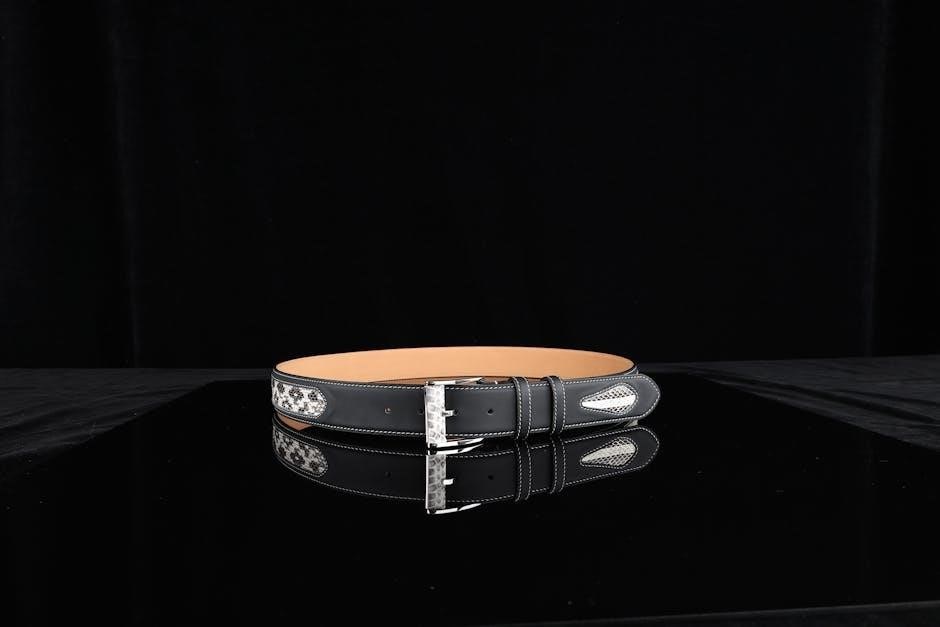
Tips for a Perfect Belt Fit
Achieving a perfect belt fit requires careful attention to detail, avoiding common errors, and considering both material and style for optimal comfort and appearance.
Avoiding Common Belt Sizing Mistakes
One frequent error is assuming your belt size directly correlates with your pant waist size. While related, belts are typically measured from the base of the buckle to the middle hole, meaning you should add 2-4 inches to your pant waist measurement to determine your ideal belt size.
Another mistake is neglecting to measure your natural waistline. This is the narrowest part of your torso, often above your belly button, and provides a more accurate measurement than where your pants sit. Using a flexible measuring tape is essential for precision.
Furthermore, don’t ignore the impact of belt material. Leather belts can stretch over time, so consider sizing down slightly if you prefer a snug fit initially. Conversely, woven or fabric belts offer less give and may require a slightly larger size. Finally, always check size charts specific to the brand, as variations can occur.
Considering Belt Material and Style
The material of your belt significantly impacts its fit and longevity. Leather, a classic choice, offers durability but can stretch with wear, potentially requiring a tighter initial fit. Woven belts, often made from nylon or cotton, provide less stretch and maintain their shape better, so a precise fit is crucial.
Belt style also plays a role. Formal leather belts typically have a more structured fit, while casual belts might allow for a bit more leeway. Wider belts generally require a slightly larger size than narrower ones to accommodate the increased width around your waist.
Consider the buckle type. Larger, more ornate buckles can add bulk, influencing how the belt sits. Ultimately, choosing a belt that complements your outfit and personal style, alongside accurate sizing, ensures both comfort and a polished appearance.

Leave a Reply
You must be logged in to post a comment.