
pristine condition manual handling principles
Pristine condition manual handling involves safe, efficient, and injury-free techniques to manage objects, emphasizing proper lifting and ergonomic practices to reduce risks and enhance productivity across industries.
Definition and Importance of Pristine Condition Handling
Pristine condition handling refers to the meticulous and safe management of objects or materials to ensure they remain undamaged and free from contamination. This practice is crucial in industries where product integrity and safety are paramount. By adhering to pristine handling principles, organizations minimize risks of damage, contamination, and workplace injuries. Proper techniques also enhance operational efficiency and reduce costs associated with repairs or replacements. Furthermore, pristine handling aligns with regulatory standards, ensuring compliance and maintaining trust with clients and consumers. Its importance extends to protecting both the product and the handler, fostering a safer and more reliable work environment.

Historical Background and Evolution of Manual Handling Practices
Manual handling practices have evolved significantly over centuries, shaped by advances in technology and a growing understanding of human physiology. Ancient civilizations used rudimentary tools and techniques to lift and move objects, often relying on brute strength. The Industrial Revolution introduced machinery, reducing manual labor demands but also creating new risks. In the 20th century, ergonomic studies emerged, focusing on optimizing work processes to prevent injuries. Modern pristine condition handling integrates these insights, emphasizing safety, efficiency, and minimal damage. Today, industries adopt standardized protocols, leveraging training and equipment to ensure safe and effective manual handling, reflecting a continuous commitment to improving workplace safety and productivity.
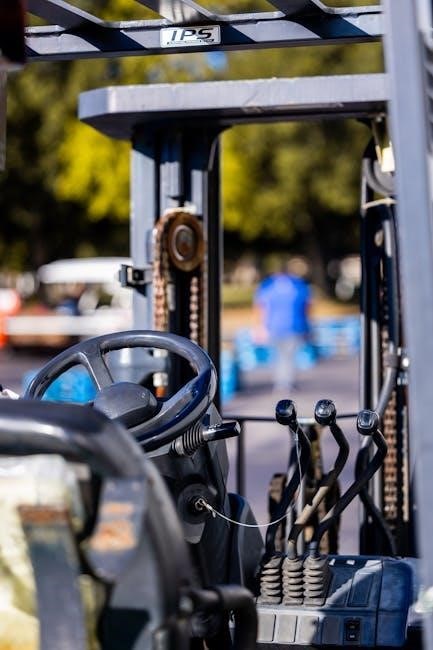
Core Principles of Pristine Condition Manual Handling
Pristine condition manual handling focuses on maintaining cleanliness, preventing damage, and ensuring safety during object movement, emphasizing precision, care, and adherence to standardized protocols to minimize risks and enhance efficiency.
Ergonomic Considerations in Manual Handling
Ergonomic considerations are crucial in manual handling to minimize physical strain and prevent injuries. Proper posture, balanced lifting, and avoiding awkward positions are key. Workspaces should be designed to reduce reaching and bending, ensuring objects are within a comfortable range. Tools and equipment should fit the worker’s size and strength, promoting efficient movement. Regular breaks and task rotation can reduce repetitive strain. Training in ergonomic practices helps workers adopt safe habits, enhancing overall safety and productivity. By prioritizing ergonomics, organizations can create a safer, more efficient environment for manual handling tasks.
Safe Lifting Techniques to Prevent Injury
Safe lifting techniques are essential to prevent injuries during manual handling. Start by assessing the load’s weight and size, ensuring it’s within your capacity. Bend at the knees, keep your back straight, and lift with your leg muscles. Keep the object close to your body to maintain balance and reduce strain. Avoid twisting or reaching while lifting, as this can lead to muscle strain. Proper grip and footing are also critical for stability. Training in these techniques, as exemplified by experts like Davy Snowdon, helps workers adopt safe practices, reducing the risk of harm and promoting a safer working environment.
Environmental Factors Influencing Pristine Handling
Environmental factors significantly impact pristine condition manual handling. A clean, well-organized workspace reduces tripping hazards and improves efficiency. Proper lighting ensures visibility, preventing accidents caused by poor conditions. Temperature and humidity levels should be controlled to avoid discomfort or slippery surfaces. Flooring must be secure and even to prevent slipping or dropping objects. Storage systems should be ergonomic, keeping items at waist height to minimize stretching. Regular inspections of equipment and tools are crucial to ensure they are in pristine condition, free from damage that could compromise handling safety. A well-maintained environment not only enhances safety but also supports overall productivity and injury prevention in manual handling tasks.
Best Practices for Maintaining Pristine Conditions
Best practices involve regular cleaning, organized workspaces, and thorough inspections. Proper storage and hygiene protocols ensure a safe and efficient environment for manual handling tasks.
Proper Use of Personal Protective Equipment (PPE)
Personal Protective Equipment (PPE) is essential for maintaining pristine conditions during manual handling. Gloves, safety glasses, and protective clothing prevent contamination and protect workers from potential hazards. Proper selection, inspection, and donning of PPE ensure effectiveness. Regular training on PPE usage and adherence to safety guidelines are critical. Employers must provide suitable equipment, while employees must wear and maintain it correctly. PPE not only safeguards individuals but also upholds the integrity of materials and environments, ensuring tasks are performed safely and efficiently. This practice is vital across industries, particularly in healthcare and manufacturing, where contamination risks are high.
Role of Cleaning and Sanitization in Pristine Handling
Cleaning and sanitization are critical components of pristine condition manual handling, ensuring surfaces, equipment, and objects remain free from contaminants. Regular cleaning removes dirt, dust, and pathogens, while sanitization reduces microbial loads to safe levels. These practices prevent cross-contamination, safeguarding both the handled items and the environment. Proper cleaning agents and techniques must be used to avoid damage or residue. Schedules for cleaning and sanitization should be strictly adhered to, with documentation maintained for compliance. Training staff on these procedures ensures consistency and effectiveness, upholding the highest standards of pristine handling across all industries. This step is vital for maintaining safety, quality, and operational integrity.

Importance of Regular Equipment Maintenance

Regular equipment maintenance is essential for ensuring the integrity and functionality of tools and machinery used in manual handling. Proper upkeep prevents mechanical failures, reducing the risk of accidents and downtime. Lubrication, inspection, and timely repairs are critical to maintain optimal performance. Well-maintained equipment minimizes wear and tear, extending its lifespan and ensuring reliability. Additionally, regular maintenance supports compliance with safety standards, reducing liability risks. A structured maintenance schedule, including routine checks and staff training, fosters a culture of accountability. By prioritizing equipment care, organizations can prevent contamination risks and uphold pristine handling standards, ensuring a safer and more efficient working environment across all industries.

Training and Education in Pristine Condition Handling
Training and education form the foundation of pristine condition handling, equipping individuals with essential skills and techniques to ensure safety, efficiency, and compliance in manual tasks.
Essential Skills for Manual Handling Training
Manual handling training emphasizes core skills like proper lifting techniques, load assessment, and ergonomic practices to minimize injury risks. Participants learn to evaluate tasks, use equipment effectively, and maintain optimal posture. Understanding physical limitations and workplace hazards is crucial. Training also covers teamwork strategies for shared tasks and the importance of regular breaks to prevent fatigue. These skills ensure a safer, more efficient handling process, aligning with pristine condition principles. Continuous practice and feedback refine proficiency, fostering a culture of safety and responsibility in all manual handling operations.
Certification Programs for Pristine Handling Experts

Certification programs for pristine handling experts provide structured training to master manual handling techniques, ensuring adherence to safety and efficiency standards. These programs, often offered by reputable organizations, cover essential topics such as risk assessment, ergonomic practices, and injury prevention strategies. Participants learn to apply pristine condition principles in real-world scenarios, enhancing their ability to handle materials safely and effectively. Certification validates expertise, demonstrating a commitment to maintaining high standards in manual handling. Many programs include practical assessments and continuous education requirements, ensuring professionals stay updated on the latest techniques and industry regulations. This specialized training not only reduces workplace injuries but also promotes a culture of safety and operational excellence.
Continuous Learning and Professional Development
Continuous learning and professional development are essential for mastering pristine condition manual handling principles. As industries evolve, staying updated on the latest techniques, tools, and regulations is crucial. Professionals engage in workshops, seminars, and online courses to refine their skills and adapt to new challenges. Regular training sessions help reinforce safe handling practices, reducing the risk of injuries and improving efficiency. Additionally, sharing knowledge within teams fosters a culture of continuous improvement, ensuring that best practices are consistently applied. By prioritizing lifelong learning, individuals and organizations maintain high standards of safety and operational excellence in manual handling tasks. This commitment to growth ensures long-term success and adaptability in an ever-changing work environment.

Risk Management in Pristine Condition Manual Handling
Risk management involves identifying and mitigating hazards in manual handling to prevent injuries and ensure safe practices, focusing on proper techniques and environmental adjustments.
Identifying Potential Hazards in Manual Handling
Identifying potential hazards in manual handling is crucial for maintaining pristine conditions and ensuring safety. Common hazards include heavy or awkwardly shaped objects, slippery surfaces, and poor ergonomic setups. Environmental factors such as insufficient lighting or cluttered workspaces can also increase risks. Additionally, inadequate training or improper use of equipment can lead to accidents. Regular assessments of the workspace and tasks are essential to pinpoint these hazards. By addressing these issues proactively, organizations can reduce the likelihood of injuries and maintain efficient operations. Proper hazard identification also fosters a culture of safety, encouraging employees to take responsibility for their environment and practices.
Strategies for Injury Prevention
Effective injury prevention in manual handling requires a combination of training, ergonomic adjustments, and workplace modifications. Proper lifting techniques, such as bending at the knees and maintaining a neutral spine, are fundamental. Regular breaks and task rotation can reduce repetitive strain. Employers should conduct risk assessments to identify and mitigate hazards. Providing personal protective equipment (PPE) and ensuring its correct use is also vital. Additionally, fostering a culture of safety through continuous education and encouraging employee feedback can significantly lower injury rates. By implementing these strategies, organizations can create a safer environment, reduce absenteeism, and enhance overall productivity while maintaining pristine handling standards.
Emergency Response Plans for Handling Incidents
Emergency response plans are critical for addressing incidents during manual handling operations. These plans outline immediate actions to take in case of accidents, such as injuries or equipment failures. Proper first aid administration and incident reporting are essential components. Training employees on emergency procedures ensures a swift and coordinated response. Evacuation routes and communication protocols should be clearly defined to minimize risks. Regular drills and updates to the plan help maintain preparedness. By integrating these strategies, organizations can effectively manage emergencies, reduce downtime, and ensure a safe recovery process while maintaining pristine handling standards and operational continuity.
Industry-Specific Applications of Pristine Handling Principles
Pristine handling principles are applied across industries like manufacturing, healthcare, and logistics to ensure safe and efficient manual handling, reducing workplace injuries and enhancing productivity.
Manufacturing and Industrial Settings

In manufacturing and industrial environments, pristine condition manual handling principles are crucial for preventing injuries and enhancing efficiency. Workers often handle heavy machinery, tools, and materials, requiring precise techniques to avoid strain. Proper lifting methods, ergonomic workstation setups, and regular equipment maintenance are essential to maintain safety. The use of personal protective equipment (PPE) further reduces risks. Training programs, such as those led by experts like Davy Snowdon, emphasize safe practices to protect employees and ensure product quality. By adhering to these principles, industries can minimize workplace accidents, reduce downtime, and improve overall productivity, creating a safer and more efficient work environment for all employees.
Healthcare and Medical Environments
In healthcare settings, pristine condition manual handling principles are vital for ensuring patient safety and preventing staff injuries. Healthcare workers frequently handle patients, equipment, and supplies, requiring precise techniques to avoid strain and maintain sterility. Proper lifting methods, ergonomic equipment design, and regular training programs are essential to reduce the risk of injury. The use of assistive devices, such as patient hoists, further enhances safety. Additionally, adherence to cleaning and sanitization protocols ensures a pristine environment, minimizing infection risks. By integrating these practices, healthcare facilities can protect both patients and staff, maintaining high standards of care and operational efficiency. Continuous training and updates on handling techniques are crucial for sustaining these principles effectively.
Logistics and Supply Chain Management

In logistics and supply chain management, pristine condition manual handling principles are critical for ensuring the safe and efficient movement of goods. Workers in warehouses, distribution centers, and transportation hubs frequently handle heavy packages, requiring precise techniques to prevent damage and injuries. Proper lifting methods, ergonomic equipment design, and regular training programs are essential to reduce the risk of strain and accidents. Additionally, maintaining clean and organized workspaces helps prevent contamination and ensures products remain in pristine condition. The use of assistive devices, such as conveyor belts and lifting aids, further enhances safety and efficiency. By adhering to these principles, logistics operations can minimize costs, improve productivity, and maintain high standards of quality control. Continuous improvement in handling practices is vital for sustaining these goals effectively.
Conclusion
Pristine condition manual handling principles are essential for injury prevention, efficiency, and maintaining high standards across industries, ensuring safety and productivity while adapting to future trends and technologies.
Future Trends in Pristine Condition Manual Handling
Future trends in pristine condition manual handling emphasize technological advancements, such as AI-driven monitoring systems and IoT-enabled equipment, to enhance safety and efficiency. Ergonomic innovations, like wearable devices tracking posture and movement, will become standard. Sustainability practices, including eco-friendly equipment and energy-efficient processes, are expected to rise. Automation and robotics will increasingly replace manual tasks in high-risk environments, reducing injury rates. Additionally, global standards for training and certification will likely be adopted, ensuring consistency across industries. These advancements aim to create safer, more efficient workplaces while addressing environmental concerns, paving the way for a future where manual handling is both pristine and progressive.
Global Adoption and Standardization of Pristine Handling Practices
The global adoption of pristine handling practices is crucial for ensuring consistency and safety across industries. As companies expand internationally, standardized protocols are essential to prevent injuries and maintain efficiency. Industries like manufacturing, healthcare, and logistics are adopting uniform guidelines to align with global safety standards. Organizations are collaborating to develop universal training programs and certification processes, ensuring workers worldwide adhere to the same principles. Technology, such as monitoring tools and training platforms, supports compliance and consistency. This harmonization not only enhances workplace safety but also fosters a culture of continuous improvement, ultimately benefiting both employees and organizations on a global scale.


Leave a Reply
You must be logged in to post a comment.