mercury outboard maintenance manual
Welcome to the comprehensive guide for Mercury outboard maintenance. This manual provides detailed instructions for setup, operation, and upkeep, ensuring optimal performance and longevity of your outboard engine.
1.1 Importance of Regular Maintenance
Regular maintenance is crucial for ensuring the optimal performance, reliability, and longevity of your Mercury outboard engine. It helps prevent unexpected breakdowns, reduces repair costs, and enhances safety while boating. Proper upkeep also maintains fuel efficiency and adheres to environmental regulations. By following the guidelines in this manual, you can ensure your outboard runs smoothly, lasts longer, and provides years of trouble-free operation. Consistent care is essential for maximizing your investment and enjoying a seamless boating experience.
1.2 Overview of the Mercury Outboard Manual
The Mercury Outboard Manual is a comprehensive guide designed to help users understand and maintain their engine effectively. It covers essential topics such as general information, tune-ups, lubrication, fuel systems, and lower unit maintenance. The manual also includes sections on tools, preventative maintenance, and troubleshooting. With clear instructions and detailed specifications, it empowers users to perform routine tasks confidently. Whether you’re a seasoned boater or a newcomer, this manual ensures you have the knowledge to keep your Mercury outboard running at peak performance. Regular reference to this guide is key to extending the life of your engine.
Safety Precautions
Always follow essential safety practices when maintaining your Mercury outboard. Wear protective gear, handle hazardous materials carefully, and ensure proper ventilation to avoid accidents.
2.1 General Safety Guidelines
Always prioritize safety when performing maintenance on your Mercury outboard. Disconnect the battery before starting any work to prevent accidental startups. Wear protective gear, including gloves and safety glasses, to shield yourself from sharp edges and chemicals. Ensure the area is well-ventilated to avoid inhaling harmful fumes. Never smoke or use open flames near flammable materials. Follow the manual’s instructions carefully and avoid overreaching or using improper tools. If unsure about a procedure, consult a professional or contact Mercury’s technical support at mercuryfsvps.ru.
2.2 Personal Protective Equipment
Wearing proper personal protective equipment (PPE) is crucial for safety during Mercury outboard maintenance. Always use gloves to protect your hands from cuts and chemical exposure. Safety glasses or goggles are essential to shield your eyes from debris or splashes. A face mask is recommended when working with hazardous materials like fuel or lubricants to avoid inhaling harmful fumes. Ensure all PPE fits securely and is in good condition. This gear will help prevent injuries and ensure a safe working environment while servicing your outboard engine.
2.3 Hazardous Materials Handling
When working with hazardous materials during Mercury outboard maintenance, always follow safety protocols. Wear protective gloves and eyewear to prevent exposure. Ensure good ventilation when handling fuel, lubricants, or coolants. Never mix chemicals, and store them in approved containers. Avoid skin contact with potentially harmful substances. Dispose of hazardous waste according to local regulations and environmental guidelines. Refer to the Mercury manual for specific instructions on handling and disposing of materials safely to minimize risks to health and the environment.

Tools and Equipment Needed
Essential tools include wrenches, screwdrivers, and pliers. Specialized equipment like oil extractors and propeller tools may be required. Always use appropriate safety gear during maintenance.
3.1 Essential Tools for Maintenance
Proper tools are crucial for effective maintenance of your Mercury outboard. Essential items include a socket set, wrenches, screwdrivers, and pliers. A torque wrench ensures accurate bolt tightening, while a multimeter aids in diagnosing electrical issues. Additionally, a set of Allen keys and a drain pan are necessary for oil changes. Always refer to your manual for specific tool recommendations to avoid damage. Having these tools readily available ensures efficient and safe maintenance, prolonging your outboard’s lifespan and performance.
3.2 Specialized Equipment Requirements
Specialized equipment is necessary for advanced maintenance tasks on your Mercury outboard. A pressure tester is essential for diagnosing fuel system issues, while a propeller puller simplifies propeller removal. An anode kit is required for anti-corrosion maintenance, and a lower unit grease pump ensures proper lubrication. Additionally, a spark tester and compression gauge are vital for diagnosing engine performance problems. These tools are often available in Mercury-specific maintenance kits or can be purchased from authorized dealers. They ensure precise and safe maintenance, preventing potential damage to your outboard engine.

Routine Maintenance Tasks
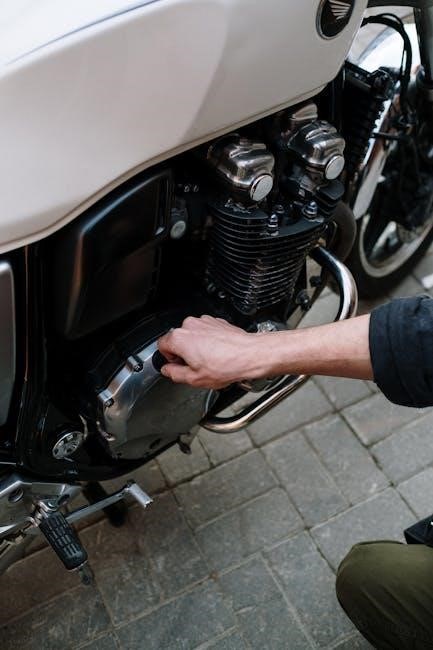
Regular maintenance is crucial for optimal performance and longevity. Routine tasks include oil changes, propeller inspections, and lower unit lubrication to ensure reliability and efficiency always.
4.1 Oil and Filter Changes
Regular oil and filter changes are crucial for maintaining your Mercury outboard engine’s performance and longevity. Always use the recommended oil type and filter specified in your manual. Drain the old oil carefully and replace the filter to prevent contamination. Refill with the correct amount of new oil, ensuring the engine is level. Check for any leaks after refilling. Dispose of used oil and filters responsibly. Refer to your manual for specific instructions and recommended intervals, typically every 50-100 hours of operation. Proper lubrication ensures smooth operation and prevents premature wear.
4.2 Propeller Inspection and Maintenance
Regular inspection of the propeller is essential for optimal performance and safety. Check for dings, bends, or corrosion that could affect balance and efficiency. Damage can cause vibration, reduced fuel efficiency, and increased wear on the engine. Clean the propeller regularly to remove debris and marine growth. Apply a protective coating to prevent corrosion. If damage is severe, consider professional repair or replacement. Always follow the manufacturer’s guidelines for maintenance and inspection, ensuring your propeller is in top condition for every outing. Proper care extends the life of your outboard engine.
4.3 Lower Unit Lubrication
Proper lubrication of the lower unit is crucial for protecting gears and components from corrosion and wear. Regularly inspect the gearcase for signs of damage or leaks. Drain and replace the lubricant every 100 hours of operation or annually, using the type specified in your manual. Ensure the lower unit is clean and free of debris before refilling. This maintenance step prevents costly repairs and ensures smooth operation of your Mercury outboard engine. Always follow the manufacturer’s guidelines for lubrication to maintain optimal performance and longevity.
Fuel System Maintenance
Regular fuel system maintenance ensures optimal performance and prevents engine damage. Inspect fuel lines for cracks, replace worn-out components, and clean or replace fuel filters annually.
5.1 Fuel Line Inspection
Regular inspection of the fuel line is crucial for ensuring safe and efficient engine operation. Start by visually examining the fuel line for cracks, damage, or signs of wear. Check connections to ensure they are secure and not leaking. Use a fuel line test kit to detect any internal damage or blockages. Proper inspection helps maintain optimal fuel flow and prevents potential engine issues. Always follow the guidelines outlined in your Mercury outboard manual for detailed procedures and safety precautions.
5.2 Fuel Filter Replacement
Regular fuel filter replacement is essential for maintaining your Mercury outboard’s performance and preventing fuel system damage. Start by gathering the necessary tools, including a new filter and a rag. Shut off the engine and allow it to cool. Locate the fuel filter, typically near the fuel tank or engine. Disconnect the fuel lines carefully, taking note of their positions. Remove the old filter, being cautious of residual fuel. Install the new filter, ensuring it’s properly seated and aligned. Reconnect the fuel lines securely and check for leaks. Dispose of the old filter responsibly. Always refer to your manual for specific instructions.
5.3 Fuel Tank Maintenance
Proper fuel tank maintenance is crucial for ensuring your Mercury outboard runs efficiently and reliably. Regularly inspect the tank for cracks, rust, or damage. Check for water or debris in the fuel, as contamination can lead to engine issues. Drain and clean the tank periodically, especially before storage. Use a fuel stabilizer to prevent degradation during extended periods of inactivity. Always follow the manufacturer’s guidelines for cleaning and maintenance to avoid damage to the fuel system. Store the tank in a well-ventilated area and ensure it is securely sealed.
Cooling System Maintenance
Regular cooling system maintenance ensures optimal engine performance. Check coolant levels, inspect hoses for cracks, and maintain the water pump to prevent overheating and damage.
6.1 Coolant Level Check
Regular coolant level checks are essential for maintaining your Mercury outboard engine’s cooling system. Locate the coolant reservoir, usually labeled with a “COOLANT” or “ANTIFREEZE” marker. Ensure the engine is cool before inspecting. The coolant level should be between the minimum and maximum marks on the reservoir. If low, add a 50/50 mixture of distilled water and antifreeze specifically designed for marine engines. Avoid overfilling, as this can lead to system pressure issues. Always refer to your manual for specific guidelines to prevent overheating and damage.
6.2 Hose Inspection and Replacement
Regular inspection of coolant hoses is crucial to prevent engine damage. Check for cracks, abrasions, or signs of wear. Replace any damaged hoses immediately to avoid leaks or system failure. Use genuine Mercury parts for compatibility and reliability. Inspect hose clamps for tightness and condition. Replace hoses every 5 years or as recommended in your manual. Proper maintenance ensures optimal cooling system performance and prevents costly repairs. Always follow the manufacturer’s guidelines for inspection and replacement procedures.

6.3 Water Pump Maintenance
Regular water pump maintenance is essential for preventing overheating and ensuring proper engine cooling. Inspect the impeller for wear or damage and replace it if necessary. Check the pump bearings for smooth operation and lubricate as needed. Ensure the water intake is free from debris to maintain proper water flow. Replace any corroded or damaged components promptly. Always use genuine Mercury parts for compatibility and reliability. Follow the guidelines in your maintenance manual for detailed procedures and recommendations to keep your cooling system functioning efficiently.

Electrical System Maintenance
Regular inspections and checks of the electrical system are crucial for reliable performance. Ensure the battery is charged, wiring is secure, and connections are clean. Replace worn components promptly.
7.1 Battery Care and Maintenance
Proper battery care is essential for reliable engine performance. Always charge the battery in a well-ventilated area, avoiding overcharging to prevent damage. Clean terminals regularly with a wire brush to ensure good connections. Store the battery in a cool, dry place during off-seasons, and check the water level in flooded batteries. Test the battery voltage periodically and replace it if capacity drops significantly. Refer to your Mercury outboard manual for specific charging instructions and safety guidelines.
7.2 Wiring and Connector Inspection
Regular inspection of wiring and connectors is crucial for ensuring reliable electrical system performance. Check for signs of damage, corrosion, or wear on wires and connections. Use a multimeter to test for continuity and voltage drops. Clean corroded connectors with a wire brush and apply a marine-grade protective spray. Ensure all connections are secure and tighten any loose terminals. Inspect the battery terminals and cables for damage or fraying. Replace any faulty components promptly to prevent electrical failures. Always refer to your Mercury outboard manual for specific guidance.
7.4 Spark Plug Replacement
Spark plug replacement is essential for maintaining optimal engine performance. Remove the spark plugs using a spark plug wrench, taking care not to damage the threads. Inspect the plugs for fouling or wear and clean or replace them as needed. Install new spark plugs with the correct gap specified in your Mercury outboard manual. Tighten them securely to avoid damage or leakage. Ensure all connections are snug to maintain proper ignition. Regular replacement prevents misfires and ensures efficient combustion, keeping your outboard running smoothly. Always follow the manufacturer’s recommendations for spark plug type and installation.

Propeller Maintenance
Regular propeller maintenance ensures optimal performance and efficiency. Inspect for damage, clean debris, and address dings or bent blades promptly to prevent engine strain and maintain peak functionality.
8.1 Propeller Inspection
Regular propeller inspection is crucial for maintaining your Mercury outboard’s performance. Start by visually checking for dents, cracks, or corrosion. Remove the propeller annually for a thorough examination. Inspect the hub and blades for damage or imbalance. Check for proper alignment and ensure all screws are tightened to the torque specified in your manual. Clean the propeller thoroughly and apply a protective coating to prevent corrosion. Address any issues promptly to avoid costly repairs and ensure optimal engine efficiency. Always refer to your Mercury outboard manual for specific guidance.
8.2 Propeller Repair and Replacement
If your propeller is damaged, address the issue promptly to prevent further damage. For minor dents or scratches, sand and polish the area to maintain smooth operation. However, if the blades are bent or cracked, professional repair or replacement is necessary. When replacing, always consult your Mercury manual for compatible propeller models and torque specifications. Ensure genuine Mercury parts are used for reliability. After installation, test the engine at low speed to confirm proper function and alignment. Regular maintenance ensures optimal performance and extends the life of your outboard.
Lower Unit Maintenance
Regular lower unit maintenance ensures smooth operation and prevents costly repairs. Inspect for damage, lubricate moving parts, and replace worn components promptly to maintain optimal performance and longevity.
9.1 Gear Lube Replacement
Regular gear lube replacement is essential for maintaining the health of your Mercury outboard’s lower unit. Start by draining the old lubricant using a suitable drain pan. Next, refill with the recommended gear lube type, ensuring the correct viscosity for optimal performance. Always check for any signs of leaks around the gear housing. Proper disposal of used lube is crucial to prevent environmental harm. Refer to your manual for specific intervals and guidelines to ensure longevity and smooth operation of your outboard engine.
9.2 Shaft and Seal Inspection
Inspecting the propeller shaft and seals is crucial for preventing water intrusion and ensuring smooth operation. Begin by cleaning the area around the shaft and seals to remove any debris. Visually inspect for signs of wear, damage, or corrosion on the shaft. Check the seals for cracks, brittleness, or deterioration. If any damage is found, replace the affected components immediately. Proper lubrication and alignment are also essential to prevent excessive wear. Always consult your Mercury outboard manual for specific inspection and replacement guidelines to maintain optimal performance and longevity.
Steering System Maintenance
Regular inspection of the steering system ensures smooth control and safety. Check hydraulic fluid levels, inspect hoses for leaks, and ensure proper alignment of components.
10.1 Steering System Inspection
Regular inspection of the steering system ensures smooth operation and safety. Check hydraulic lines for damage, connections for tightness, and fluid levels. Look for signs of leaks or wear. Ensure the steering gear is properly aligned and functioning without play. If hydraulic steering is used, verify fluid levels and top up as needed. Always refer to the manual for specific guidelines. Addressing issues promptly prevents costly repairs and maintains precise control while boating.
10.2 Hydraulic Steering Fluid Check
Regular inspection of the hydraulic steering fluid is crucial for smooth operation. Check the fluid level in the reservoir, ensuring it meets the recommended level. Inspect for signs of leakage around hoses and connections. Use the specified hydraulic fluid type to maintain system performance. If the fluid is dirty or low, refill or replace it as needed. Always refer to the manual for specific guidelines to ensure optimal steering system functionality and safety. Proper maintenance prevents costly repairs and ensures reliable boat control.
Winterization and Storage
Winterization involves draining fuel, fogging the engine, and applying protective coatings. Store your outboard in a dry, secure location to prevent damage and ensure longevity.
11.1 Winterization Process
Proper winterization is crucial for protecting your Mercury outboard engine during off-season storage. Start by draining the fuel tank and fogging the engine to prevent corrosion. Disconnect the battery and store it in a cool, dry place. Flush the cooling system with antifreeze to safeguard against freezing temperatures. Apply a rust-inhibiting coating to metal components and cover the engine to shield it from dust and moisture. Always consult your Mercury outboard manual for specific winterization steps tailored to your model.
11.2 Storage Tips
Proper storage is crucial for maintaining your Mercury outboard’s performance. Drain the fuel tank and add a fuel stabilizer to prevent degradation. Clean and dry the engine thoroughly to avoid corrosion. Use a protective cover to shield it from dust and moisture. Store the outboard in a cool, dry, and secure location, away from direct sunlight. Ensure the area is well-ventilated to prevent condensation. Regularly inspect the storage area for pests or damage. For long-term storage, consult your manual for specific recommendations to ensure your outboard remains in optimal condition.
Troubleshooting Common Issues
Identify and resolve issues promptly to ensure optimal performance. Common problems include engine stalling, reduced power, or overheating. Refer to diagnostic techniques and maintenance practices for solutions.
12.1 Identifying Common Problems
Regular maintenance helps identify common issues early, such as engine stalling, propeller damage, or cooling system leaks. Listen for unusual noises, check for drops in performance, and monitor coolant levels. Inspect propellers for dents or cracks, and ensure fuel lines are free from blockages. Addressing these problems promptly prevents costly repairs. Always consult the manual for specific troubleshooting guides or contact a certified technician for complex issues. Early detection ensures your Mercury outboard runs smoothly and reliably.
12.2 Diagnostic Techniques
Systematic diagnosis is key to resolving issues with your Mercury outboard. Start with a visual inspection for damage or wear. Use tools like multimeters to check electrical connections and pressure testers for fuel and cooling systems. Listen for unusual noises, such as grinding or knocking sounds, which may indicate faulty bearings or propeller issues. Always consult the manual for specific troubleshooting procedures. Early detection of problems ensures minimal downtime and prevents costly repairs. If unsure, seek assistance from a certified technician or contact Mercury’s technical support for guidance.
Environmental Considerations
Proper disposal of hazardous materials and adherence to EPA emissions regulations are crucial. Use eco-friendly practices during maintenance to minimize environmental impact and ensure sustainable boating experiences.
13.1 Eco-Friendly Maintenance Practices
Eco-friendly maintenance practices are essential for minimizing the environmental impact of your Mercury outboard. Always dispose of hazardous materials like oil, filters, and coolant properly. Use biodegradable cleaning products and avoid spills that could harm aquatic life. Regularly inspect fuel lines and connections to prevent leaks. Consider recycling used parts and materials whenever possible. Additionally, follow EPA emissions regulations and use energy-efficient maintenance practices to reduce your outboard’s ecological footprint. These steps ensure responsible boating while preserving marine ecosystems for future generations.
13.2 Proper Disposal of Hazardous Materials
Proper disposal of hazardous materials from your Mercury outboard is crucial to protect the environment. Dispose of used oil, filters, and coolant through authorized recycling centers. Batteries and other toxic components should be handled with care and recycled according to local regulations. Never drain hazardous materials into waterways or soil. Always follow EPA guidelines and consult local authorities for approved disposal methods. Proper disposal ensures compliance with environmental laws and helps preserve marine ecosystems. Recycling and responsible waste management are key to sustainable boating practices.
Understanding Your Outboard’s Serial Number
The serial number on your Mercury outboard is a unique identifier located on the transom bracket. It provides essential information for service, parts, and documentation.
14.1 Locating the Serial Number
The serial number on your Mercury outboard engine is essential for service, maintenance, and warranty purposes. It is typically located on the transom bracket, which is the metal plate where the engine is mounted on the boat. The serial number is a unique combination of letters and numbers, usually long. To find it, inspect the starboard (right) side of the transom bracket. It may also be stamped on a metal tag or printed on a label. Record this number for future reference.
14.2 Decoding the Serial Number
The serial number on your Mercury outboard contains essential information about your engine. It is typically located on the transom bracket and follows a specific format. The serial number includes a combination of letters and numbers, where each part signifies different details. For example, the first few characters may indicate the model year, while others represent horsepower or manufacturing codes. Decoding this information helps in identifying the exact specifications of your outboard, ensuring proper maintenance and parts compatibility. Always refer to the official Mercury manual for precise decoding instructions.

Regular maintenance ensures optimal performance and longevity of your Mercury outboard. Follow the manual for safe, efficient boating, and always check key systems regularly.
15.1 Summary of Key Maintenance Practices
Regular maintenance is essential for optimal performance and longevity of your Mercury outboard. Key practices include oil and filter changes, propeller inspection, and lower unit lubrication. Always inspect fuel lines and replace filters to prevent contamination. Check coolant levels and hoses for leaks, and maintain the water pump. Ensure proper battery care and wiring inspection. Follow eco-friendly practices and dispose of hazardous materials correctly. Refer to your manual for specific guidelines and schedules to keep your outboard running efficiently and reliably.

15.2 Final Tips for Optimal Performance
To ensure your Mercury outboard performs at its best, always follow the recommended maintenance schedule in your manual. Regularly inspect and replace worn parts, and use genuine Mercury components for reliability. Keep the engine clean and store it properly during off-seasons. Adhere to eco-friendly practices and dispose of hazardous materials responsibly. For any issues, contact Mercury Marine support for professional assistance. By following these tips, you’ll enjoy a smooth and efficient boating experience for years to come.


Leave a Reply
You must be logged in to post a comment.